
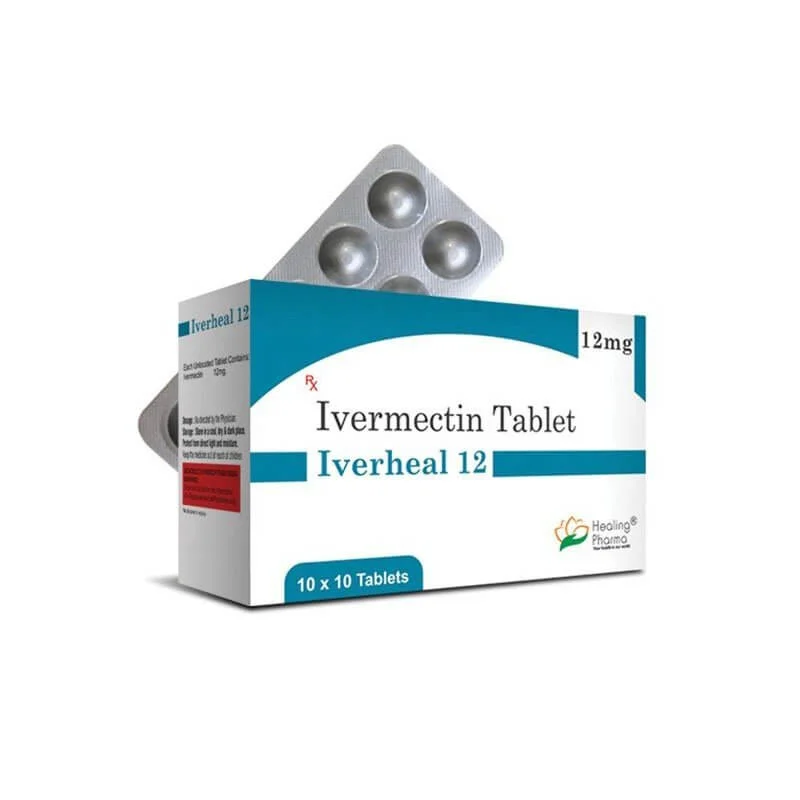
Ivermectin is a well-known antiparasitic medication that has been used in human medicine for decades. Originally developed to treat parasitic infections, ivermectin has gained widespread attention in recent years, leading many people to ask an important question: Is ivermectin safe for humans? The short answer is yes—when used correctly, for approved medical conditions, and under proper medical guidance. However, misuse or self-medication can pose serious risks.
This article explains ivermectin’s safety, approved uses, dosage considerations, side effects, and when it should or should not be used.
What Is Ivermectin?
Ivermectin 12 mg is an antiparasitic drug that belongs to a class of medicines called anthelmintics. It works by paralyzing and killing certain parasites, preventing them from surviving or reproducing in the human body.
It has been safely prescribed worldwide for over 30 years and is listed by the World Health Organization (WHO) as an essential medicine.
Approved Uses of Ivermectin in Humans
When prescribed appropriately, ivermectin is considered safe and effective for treating several parasitic infections, including:
- Strongyloidiasis (intestinal roundworm infection)
- Onchocerciasis (river blindness)
- Scabies
- Head lice
- Certain other parasitic skin and intestinal infections
For these conditions, ivermectin is typically given as a single dose or short course, which significantly reduces the risk of side effects.
How Ivermectin Works in the Human Body
Ivermectin works by targeting the nervous system of parasites. It binds to specific chloride channels in parasite nerve and muscle cells, causing paralysis and death of the parasite.
Why It’s Safer for Humans
Human nerve cells do not have the same receptors in accessible areas of the body, and ivermectin does not easily cross the blood-brain barrier at prescribed doses. This is a key reason it is generally safe when used correctly.
Is Ivermectin Safe When Taken as Prescribed?
✔️ Yes, ivermectin is safe for humans when:
- Taken at the correct dose
- Used for approved medical conditions
- Prescribed by a qualified healthcare professional
Millions of doses are administered every year through public health programs with a strong safety record.
Common Side Effects of Ivermectin
Most side effects are mild and temporary, especially at standard doses.
Common Side Effects
- Nausea
- Diarrhea
- Dizziness
- Fatigue
- Mild skin rash
- Headache
These symptoms often occur due to the body’s immune response to dying parasites rather than the drug itself.
Rare but Serious Side Effects
Although uncommon, serious side effects can occur, particularly with incorrect dosing or misuse:
- Severe allergic reactions
- Low blood pressure
- Confusion or altered mental state
- Seizures (very rare)
- Liver enzyme abnormalities
Immediate medical attention is required if severe symptoms occur.
Who Should Use Ivermectin With Caution?
Ivermectin may not be suitable for everyone. Extra caution is needed for:
- Pregnant women (especially first trimester)
- Breastfeeding mothers
- People with liver disease
- Individuals taking medications that affect the nervous system
- Children under a certain weight (doctor guidance required)
Always inform your doctor about existing health conditions and medications before taking ivermectin.
Can Humans Take Veterinary Ivermectin?
❌ No — This Is Dangerous
Veterinary ivermectin formulations are not safe for humans. They:
- Contain much higher concentrations
- Include inactive ingredients not tested for human use
- Greatly increase the risk of overdose and toxicity
Using animal ivermectin has led to serious hospitalizations and poisonings. Humans should only use FDA-approved or doctor-prescribed human ivermectin.
Is Ivermectin Safe for Long-Term Use?
Ivermectin is not intended for long-term or daily use unless specifically prescribed. Most approved treatments involve single or short-term dosing.
Repeated or long-term use without medical supervision can:
- Increase risk of side effects
- Affect liver function
- Lead to drug interactions
If repeat dosing is required, it should always be done under medical monitoring.
Misuse and Safety Concerns
Ivermectin has been widely discussed online for uses not supported by strong clinical evidence. This has led to increased cases of:
- Self-medication
- Overdosing
- Use of veterinary products
Such misuse does not reflect the drug’s actual safety profile when used appropriately and should be avoided.
Drug Interactions to Be Aware Of
Ivermectin may interact with:
- Blood thinners
- Sedatives
- Certain antifungal or antibiotic drugs
Your doctor can determine whether ivermectin is safe alongside your current medications.
Key Takeaway: Is Ivermectin Safe for Humans?
✔️ Yes, ivermectin is safe for humans when used correctly and for approved medical purposes
❌ No, it is unsafe when misused, overdosed, or taken in veterinary form
The safety of ivermectin depends entirely on proper diagnosis, correct dosing, and medical supervision.
Conclusion
Ivermectin has a long history of safe and effective use in human medicine for treating parasitic infections. When prescribed appropriately, it offers significant benefits with a low risk of serious side effects. However, misuse—especially self-medication or use of animal formulations—can be dangerous.
If you believe you need ivermectin, the safest approach is to consult a healthcare professional, follow prescribed instructions carefully, and avoid unverified sources. Used responsibly, ivermectin remains a valuable and safe medication for humans.
