
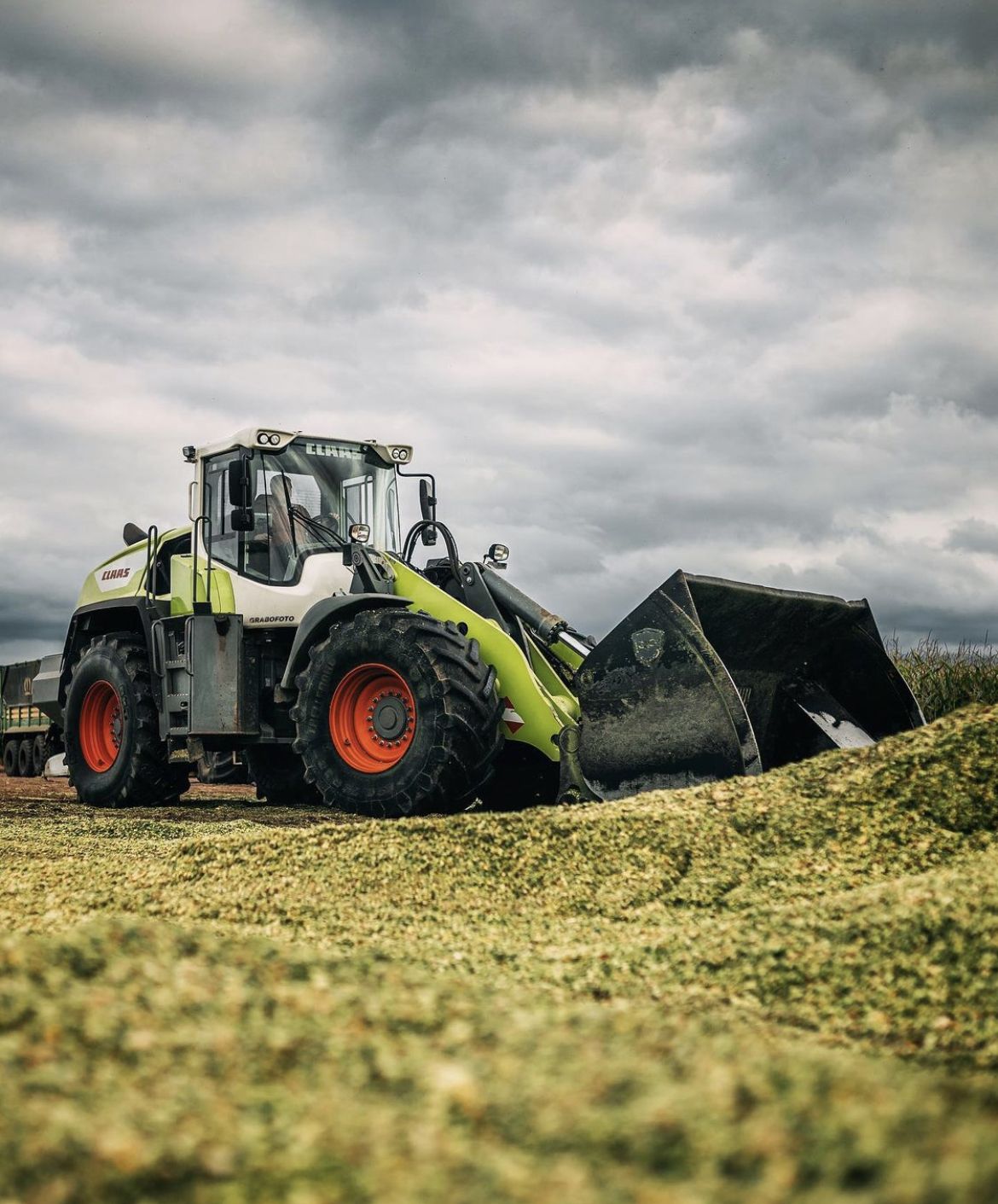
The operational viability of the UK’s agricultural sector—an industry that is both intensely automated and geographically dispersed—hinges entirely on the efficiency of its energy supply chain. At the forefront of this critical service are agricultural diesel suppliers, highly specialised firms that function as integral components of the wider industrial oil supplier network. Their expertise extends beyond simply delivering fuel; they provide a comprehensive range of quality-assured products and technical counsel necessary to maintain the high-performance machinery essential for farming productivity across the country.
What is the Integrated Product and Service Offering to the Farm?
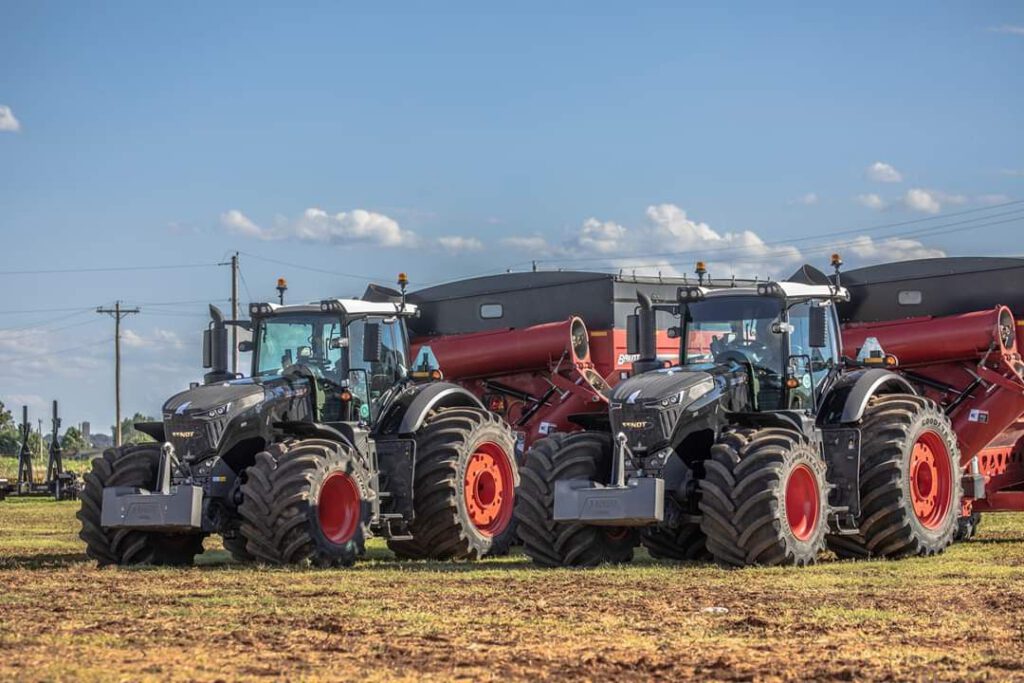
A modern agricultural diesel supplier serves as a vital single source for a farmer’s energy needs, integrating fuel and industrial oil supply. While their core business involves the domestic fuel delivery of rebated red diesel (gas oil) for off-road use, their value is significantly enhanced by their role as an industrial oil supplier. This entails supplying specialist lubricants designed specifically for the extreme demands of farm equipment. The product range includes Super Universal Tractor Oils (SUTO), which handle engine, transmission, and hydraulic functions; Universal Tractor Transmission Oils (UTTO); high-performance greases; and hydraulic fluids. The need for quality assurance here is paramount, as using the correct, high-specification lubricant is directly tied to preventing costly machinery breakdowns and extending the lifespan of technologically complex and expensive farm assets.
How Do Suppliers Manage the Unique Logistics of Rural Delivery?
The logistics of domestic fuel delivery to UK farms pose unique challenges that set the agricultural supply chain apart. Farms are often remote, have restricted access points, and operate under extremely tight, seasonal deadlines dictated by weather and crop cycles. A delay in receiving fuel during planting or harvest can incur significant financial losses. Agricultural diesel suppliers have therefore optimized their operations for reliability, using a range of tanker sizes to ensure access and offering flexible service options. Many employ advanced tank telemetry and fuel management systems that remotely monitor a farm’s fuel consumption. This technology allows the supplier to proactively schedule and guarantee domestic fuel delivery before the tank runs low, transforming the service from reactive order-taking to strategic, preventative supply management that underpins the farm’s operational uptime.
What is the Role of Suppliers in Navigating UK Rebated Fuel Compliance?
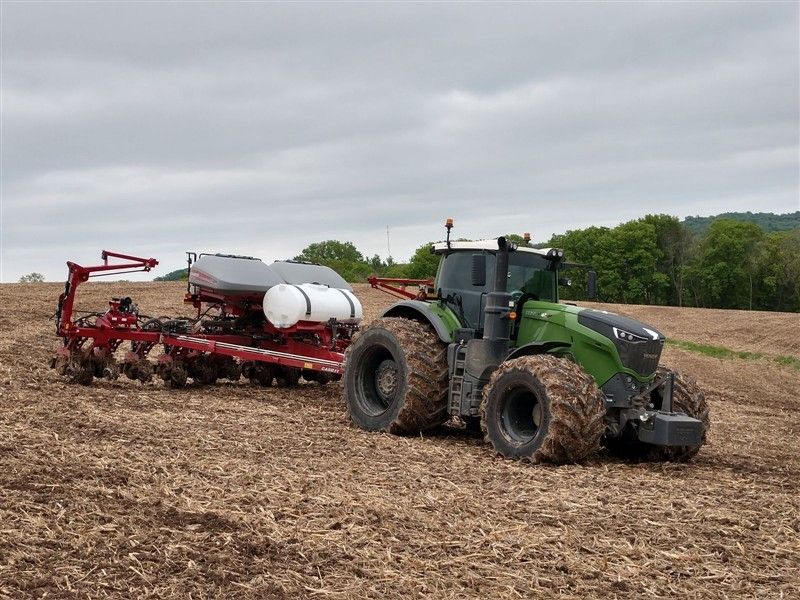
The use of red diesel is strictly governed by HM Revenue & Customs (HMRC) regulations, particularly since the 2022 duty changes clarified that the rebated fuel is restricted to genuine agricultural, horticultural, and forestry purposes. This regulatory complexity places a high compliance burden on agricultural diesel suppliers. They must be registered as Registered Dealers in Controlled Oils (RDCOs) and are responsible for ensuring every delivery is compliant. Suppliers actively provide guidance to farmers on the legal boundaries of red diesel use and the necessary separation required between rebated and duty-paid fuels, minimizing the risk of penalties. Their technical knowledge extends to advising farmers on the proper use of white diesel for non-agricultural roadwork, demonstrating their expanded role as regulatory and energy consultants.
How are Agricultural Diesel Suppliers Driving the Sustainable Fuel Transition?
In anticipation of the UK’s net-zero targets, agricultural diesel suppliers are increasingly taking on the role of energy transition partners. While red diesel remains the current staple, suppliers are actively integrating lower-carbon alternatives into their supply chains. The most notable example is Hydrotreated Vegetable Oil (HVO), a renewable diesel that significantly reduces net CO2 emissions. Suppliers are facilitating the adoption of HVO by ensuring domestic fuel delivery is straightforward and by advising farmers on the simple technical modifications needed to enable existing machinery to run on the fuel. By offering these sustainable alternatives alongside traditional fuels and specialist lubricants, suppliers are positioning themselves to guide the UK’s farming sector toward a compliant, productive, and lower-carbon future.
